











A Contractor's Guide to Wacker Neuson PT Trash Pump Troubleshooting
Posted by David Schatz - Technical Content Expert at DHS Equipment on Jun 25th 2025
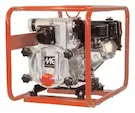
Wacker Neuson PT series trash pumps—including the PT2, PT3, PT4, and PT6 models—are workhorses on any job site, built to dewater everything from excavation sites to utility vaults. But even the most reliable equipment can run into problems. If your Wacker trash pump won't suck or has poor discharge, you're not alone. Constant use, especially with water containing debris, can lead to worn internal parts.
Before you assume a major failure, a few simple checks can often solve the problem. This guide will walk you through the most common issues and how to diagnose them, helping you get your pump back in service quickly.
Common Troubleshooting Steps for Your Wacker Trash Pump
Here are the most common problems and their solutions, based on Wacker's recommended troubleshooting procedures.
Pump Won't Take in Water (No Suction)
If your pump isn't pulling any water, it's often due to an air leak or a blockage. Here's a checklist of what to look for:
- Insufficient Priming Water: The pump housing must be filled with water to create suction. Check and top it off.
- Low Engine Speed: Ensure the engine is running at the correct speed.
- Clogged Strainer: A blocked suction strainer is a frequent culprit. Clean it thoroughly.
- Damaged Suction Hose: Inspect the hose for any cracks, holes, or damage that could let air in. Repair or replace it.
- Air Leaks at Fittings: Check that all fittings and clamps on the suction port are tight. Ensure proper gasket is installed and in good condition
- Air leaks on Pump: Check primer caps, drain plugs and associated gaskets for proper seal. Check pump cover o-ring for proper seal.
- Excessive Suction Lift: The pump may be positioned too high above the water source. The maximum suction lift for a PT3 pump is 25 feet.
- Debris in Housing: Dirt and debris inside the pump housing can prevent suction. Open the pump and clean it out. ** Make sure to remove or disconnect the Spark Plug from your engine to avoid an accidental start prior to opening your pump **
Pump Has Weak or No Discharge
When the pump takes in water but fails to discharge it effectively, the issue is often related to blockages or worn internal parts:
- Low Engine Speed: Just like with suction issues, low engine RPM can cause poor discharge. Adjust the speed.
- Partially Clogged Strainer: Even a partially blocked strainer can restrict flow. Clean it completely.
- Worn Impeller or Volute: If the clearance between the impeller and the volute insert is too large due to wear, performance will suffer. You may need to adjust the clearance with shims or replace the worn parts.
- Kinked or Blocked Discharge Hose: Make sure the discharge hose is straight and free of obstructions.
Impeller Won't Turn or Engine is Hard to Start
This problem points to a blockage or binding inside the pump:
** Make sure to remove or disconnect the Spark Plug from your engine to avoid an accidental start prior to opening your pump **
- Jammed Impeller: Debris can get lodged between the impeller and the housing. Open the pump cover and clear any obstructions.
- Binding Components: The impeller and volute insert may be binding. This can happen if the clearance is too tight. Adjust it by removing a shim from behind the insert.
How to Test Your Pump's Performance
To know for sure if your pump is performing to spec, you need to test its suction and discharge capabilities. These specs are for the PT3 model:
- Testing Suction: Suction is measured in inches of mercury (hg) using a vacuum test gauge. One inch of mercury approximately equals one foot of suction lift. The PT3 should pull 25hg, which corresponds to its maximum suction lift of 25 feet.
- Testing Discharge: Discharge pressure is measured in pounds per square inch (PSI) with a standard pressure gauge. One PSI equals 2.3 feet of delivery height. The PT3 has a maximum discharge height of 95 feet, which requires 41 PSI.
If your pump's test results are low, it likely has worn components that need replacing. Our Pump Overhaul Kit | Wacker Neuson PT3, PT3A - Threaded Impeller includes everything you need—impeller, volute insert, o-rings, shims, and seals—to restore your pump to OEM specifications.
Frequently Asked Questions (FAQ)
Q1. How often should I clean my Wacker Neuson trash pump?
Wacker Neuson recommends cleaning the inside of the pump housing after every use. This prevents debris from building up and causing premature wear. ** Make sure to remove or disconnect the Spark Plug from your engine to avoid an accidental start prior to opening your pump **
Q2. What's the difference between an impeller and a volute insert?
The impeller is the rotating component that spins to move the water. The volute is the stationary casing that surrounds the impeller and directs the water flow. Both parts are critical for pump performance and can wear down over time.
Q3. Why should I be careful when cleaning the pump housing?
As the impeller wears from pumping debris, its edges can become extremely sharp. Always use caution when cleaning around the impeller to avoid cuts.
** Make sure to remove the Spark Plug from your engine to avoid an accidental start when removing or installing the impeller. **
Q4. Can I use any hose with my trash pump?
No, a suction hose must be a rigid non collapsible hose of the proper diameter. Too big or too small of a suction hose will compromise pump performance. The most common discharge hose is a Lay-flat flexible hose.
Video Guide: Wacker Neuson Trash Pump Troubleshooting & Repair
For a hands-on look at replacing the most common wear parts, watch our step-by-step video guide on installing a new volute insert and impeller on a Wacker PT3 pump.
Regular maintenance is the key to keeping your Wacker Neuson trash pump running efficiently. By cleaning it after each use and diagnosing problems early, you can avoid costly downtime.
Need Help?
If you've identified worn parts or need help with a rebuild, browse our complete catalog of Wacker Neuson Pump Parts. For questions or support, call us at 866-611-9369 or email our Customer Service Team at [email protected]

Author: David Schatz
David Schatz is the founder of DHS Equipment and a technical content expert in light construction equipment, small engines, and professional-grade replacement parts. With more than 30 years of hands-on experience servicing concrete saws, generators, water pumps, and plate compactors, he helps contractors, rental fleets, and serious DIY users keep their equipment running safely and efficiently.
Through practical, no-nonsense articles, step-by-step guides, and maintenance tips, David focuses on real-world troubleshooting, small engine repair, and clear recommendations on OEM and high-quality aftermarket replacement components that reduce downtime, extend equipment life, and improve job site productivity.