











How to Inspect Concrete Cut-Off Saw Engine Components Before Buying Replacement Parts
Posted by David Schatz - Technical Content Expert at DHS Equipment on May 14th 2025
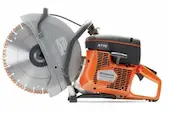
Is your concrete cut-off saw losing power, hard to start, or even seized up in the middle of a job? Overhauling your cut-off saw is a crucial step to restore its performance and extend its lifespan-but only if you do it right. Before you order a new cylinder and piston kit, learn the essential inspection steps every contractor and DIYer should follow to avoid costly mistakes and ensure a successful rebuild.
Why Proper Inspection Is Critical Before Overhauling Your Cut-Off Saw
Many users of Stihl, Husqvarna, Makita, Dolmar, Speedicut, and Wacker cut-off saws make the mistake of replacing only the cylinder and piston when their saws start to fail. However, skipping a thorough inspection of internal engine components can lead to premature wear, wasted money, and repeat repairs. A complete inspection helps you identify hidden damage and ensures your investment in new parts delivers long-lasting results.
Step 1: Remove the Cylinder for Full Access
Before purchasing a cylinder and piston assembly, always remove the cylinder from your cut-off saw. This gives you clear access to inspect the crankshaft and connecting rod bearings-two components that are critical for engine health but often overlooked during quick repairs.
Step 2: Always Clean and Visually Inspect the Inside of the Crankcase
Once the cylinder and piston have been removed- If metal shavings are visible or if the inside of the crankcase is dirty with saw dust, it's likely your bearings need to be replaced. Those metal particles or dust have already started to wear or damage your bearings.
Step 3: Inspect Cut-Off Saw Crankshaft Bearings
Worn crankshaft bearings are a leading cause of rapid wear in new cylinder and piston assemblies. Here’s how to check them:
- Remove or Loosen Drive Belt: A tensioned belt will give you an inaccurate result when testing crankshaft bearing play.
- Stabilize the Saw: Hold your saw steady with one hand.
- Test for Play: With your other hand, grip the flywheel or clutch and gently try to move it horizontally and vertically.
- Assess Movement: Any noticeable movement (“play”) means the crankshaft bearings are worn and should be replaced.
- Rotate Crankshaft and Feel for Smooth Operation: Any bumpy or rough feel indicates a worn or damaged bearing.
Pro Tip: Replacing only the top-end parts without addressing worn bearings can result in repeated failures and additional expenses.
Step 3: Inspect Cut-Off Saw Connecting Rod Bearings
The connecting rod bearings are equally important for smooth engine operation. To inspect them:
- Secure the Crankshaft: Hold the crankshaft firmly.
- Test the Big End Bearing of the Connecting Rod: Grip the connecting rod and attempt to move it vertically.
- Evaluate Play: Some horizontal movement is normal, but there should be no vertical movement. If you feel any vertical play, the crankshaft is worn and must be replaced.
- Test the Little End/Wrist Pin Bearing: Remove wrist pin from piston and inspect bearing for obvious wear or damage. When in doubt, replace it. Some of our overhaul kits include the bearing.
Feeling for movement is more reliable than visual inspection alone. Addressing worn bearings now prevents future engine failures and ensures your overhaul is truly complete.
Common Mistakes to Avoid When Overhauling a Cut-Off Saw
- Skipping the Inspection: Never order parts before checking the condition of your saw’s bearings and crankshaft.
- Ignoring Small Signs of Wear: Even minor play in bearings can quickly ruin new cylinder and piston assemblies.
- Using Low-Quality Parts: Always choose high-quality replacement parts from trusted brands for safety and durability.
Frequently Asked Questions About Cut-Off Saw Overhaul
Q1. How often should I overhaul my cut-off saw?
Overhaul frequency depends on usage, but most professionals inspect internal components annually or after every 100 hours of heavy use.
Q2. Can I reuse my old bearings if they look fine?
Visual inspection isn’t enough. Always check for play as described above. If in doubt, replace the bearings to avoid future problems.
Q3. Which brands do these steps apply to?
These inspection and overhaul steps apply to all major cut-off saw brands, including Stihl, Husqvarna, Makita, Dolmar, Speedicut, and Wacker.
Key Takeaways
- Always remove the cylinder and inspect crankshaft and connecting rod bearings before ordering new parts.
- Worn bearings can cause rapid wear and costly failures-even with new cylinder and piston kits.
- Use high-quality replacement parts and follow a thorough inspection process for a long-lasting, high-performance cut-off saw.
Need Help Finding the Right Cut-Off Saw Parts?
Whether you own a Stihl, Husqvarna, Makita, Dolmar, Speedicut, or Wacker cut-off saw, DHS Equipment is your trusted source for quality replacement parts and expert advice. If you need assistance selecting the correct cylinder and piston assembly or other engine components, email [email protected] or call us toll-free at 866-611-9369. Optimize your cut-off saw overhaul by following these inspection steps-save time, money, and ensure your equipment delivers peak performance.

Author: David Schatz
David Schatz is the founder of DHS Equipment and a technical content expert in light construction equipment, small engines, and professional-grade replacement parts. With more than 30 years of hands-on experience servicing concrete saws, generators, water pumps, and plate compactors, he helps contractors, rental fleets, and serious DIY users keep their equipment running safely and efficiently.
Through practical, no-nonsense articles, step-by-step guides, and maintenance tips, David focuses on real-world troubleshooting, small engine repair, and clear recommendations on OEM and high-quality aftermarket replacement components that reduce downtime, extend equipment life, and improve job site productivity.