











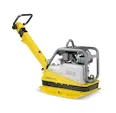
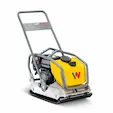
Introduction to Wacker Neuson Plate Compactors
The Wacker WP1540 and WP1550 plate compactors are industry-leading models known for their reliability and performance in soil compaction applications. These powerful machines are essential tools for construction projects, landscaping, and road work. However, like all heavy equipment, they can experience operational issues that require proper troubleshooting and maintenance.
Why Choose DHS Equipment for Wacker Neuson Parts?
With over 25 years of specialized Wacker Neuson experience, DHS Equipment has established itself as the premier online dealer for genuine Wacker parts and accessories. Our extensive knowledge of Wacker equipment allows us to offer expert advice, operating manuals, parts breakdowns, and solutions for all your plate compactor needs.
Common Issues with the Wacker Neuson WP1540 and WP1550 Plate Compactors
1. Bearing Failure
Changing the exciter oil is one of the most critical services you can do for your WP1540/WP1550. The following symptoms are indications of bearings that have not been serviced correctly. Smoking or burning clutch, engine bogging/smoking once the clutch is engaged, glazing/burning the drive belt or frequent breaking of the drive belt.
2. Poor Compaction Performance and Speed Problems
One of the most frequent issues we encounter is when plates don't develop full speed or deliver inadequate compaction results. This is commonly caused by:
- Engine throttle control not fully engaged - Check and adjust the throttle to full position
- Throttle control not adjusted correctly - Verify proper RPM. Engine RPM should be 3600.
- Ground too wet/Plate sticking - Allow soil to dry before compacting to prevent reduced efficiency
- Drive belt loose or worn, slipping on pulleys - Inspect, adjust, or replace the belt also check for wear on the exciter pulley and clutch pulley halves as needed
- Engine mounting bolts loose - Check that all engine mounting bolts are properly tightened
- Exciter bearings binding - Check condition of bearings, replace as needed. Replace exciter oil with recommended oil per your serial number.
- Improper exciter oil levels - Maintain proper lubrication in the exciter system
3. Engine Starting Problems
Many operators experience difficulty starting their Wacker plate compactors. This issue is commonly caused by:
- Fuel system contamination
- Dirty air filters restricting airflow
- Faulty spark plugs or ignition system
4. Excessive Vibration Transfer to Handles
If operators experience uncomfortable vibration levels:
- Inspect shock mounts for damage or deterioration
- Check handle mounting points for proper tightness
5. Oil Leaks and Fluid Issues
Common locations for oil leaks include:
- Engine oil seals and gaskets
- Exciter housing o-rings or shaft seal
- Fuel system connections
6. Uneven Movement or Tracking
When your plate compactor doesn't move in a straight line:
- Inspect the base plate for damage or warping
- Replace with confirm condition of shockmounts
Detailed Troubleshooting for Poor Compaction Performance
When your WP1540 or WP1550 isn't delivering proper results, follow these steps:
-
Check Engine Throttle:
- Verify the throttle is fully open during operation
- Inspect for damage to the throttle linkage
- Adjust throttle control mechanism if needed
-
Inspect Drive Belt System:
- Look for visible wear, cracking, or glazing on the belt
- Verify proper tension
- Ensure pulleys are properly aligned and not damaged
- Tighten engine mounting bolts that might allow slippage
-
Address Ground Conditions:
- If soil is too wet, the plate will stick and reduce efficiency
- Allow adequate drying time before attempting to compact wet soil
- Consider using a different compaction method for extremely wet conditions
-
Exciter System Maintenance:
- Change exciter oil every year or 300 hours, whichever comes first.
- Listen for unusual noises that might indicate bearing problems
Maintenance Tips to Prevent Common Issues
Regular maintenance is crucial for preventing these common problems:
- Follow manufacturer-recommended service intervals
- Use genuine OEM Wacker Neuson parts
- Keep air filters clean and properly installed
- Maintain proper oil levels with recommended lubricants
- Inspect V-belts regularly for wear and proper tension
- Tighten all mounting hardware to factory specifications
How DHS Equipment Can Help
While operators and maintenance staff handle the physical repairs, DHS Equipment provides all the resources you need for successful maintenance:
- Comprehensive parts breakdowns to identify exactly what you need
- Detailed operating manuals with maintenance procedures
- Genuine OEM Wacker Neuson and DHS Quality Parts aftermarket compoents
- Expert advice on selecting the correct components
Conclusion
The Wacker WP1540 and WP1550 plate compactors are excellent machines that, with proper care and maintenance, will provide years of reliable service. When issues arise, trust DHS Equipment's years of specialized experience to help you identify the right parts and provide the documentation you need for successful repairs. For genuine Wacker parts, operating manuals, parts breakdowns, and expert advice, contact DHS Equipment - your trusted partner for all Wacker Neuson equipment needs.

Author: David Schatz
David Schatz is the founder of DHS Equipment and a technical content expert in light construction equipment, small engines, and professional-grade replacement parts. With more than 30 years of hands-on experience servicing concrete saws, generators, water pumps, and plate compactors, he helps contractors, rental fleets, and serious DIY users keep their equipment running safely and efficiently.
Through practical, no-nonsense articles, step-by-step guides, and maintenance tips, David focuses on real-world troubleshooting, small engine repair, and clear recommendations on OEM and high-quality aftermarket replacement components that reduce downtime, extend equipment life, and improve job site productivity.